When sourcing Metal Bolts, selecting the right supplier is vital. The global market offers many options, but not all meet quality standards. It's crucial to examine each supplier’s capabilities and reliability. Understanding the nuances in metal types, grades, and coatings is essential. This knowledge helps in making informed decisions that enhance the durability and effectiveness of your projects.
Quality assurance plays a significant role in choosing suppliers. You should seek those with proven experience in providing Metal Bolts. Authentic certifications can indicate reliability. However, be aware that not all certifications guarantee the same level of quality. Buyer reviews can reflect real-world performance, but these can be subjective. Therefore, take the time to research thoroughly.
Consider the specifications needed for your application. Not all Metal Bolts are created equal; some may not suit high-stress environments. Overlooking these details can lead to costly failures. Buyer's guides that lack in-depth analysis may mislead you. It’s crucial to question everything and seek expert advice when necessary. Being diligent will ultimately lead to smarter purchasing decisions and stronger projects.
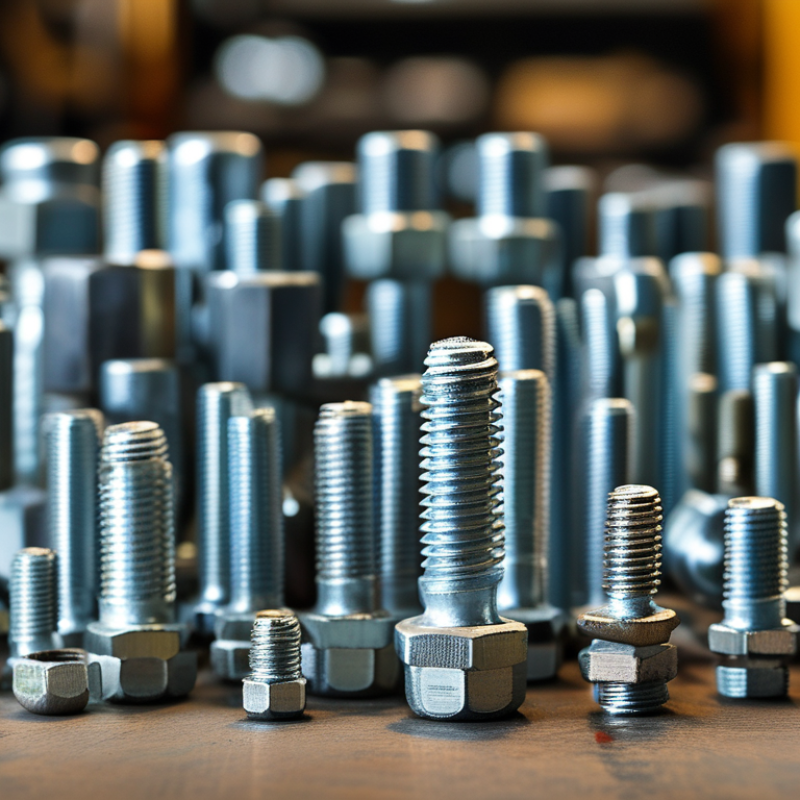
When it comes to metal bolts, understanding their types is essential for making informed purchasing decisions. Various materials and designs cater to different applications. For instance, stainless steel bolts resist corrosion and are ideal for marine environments. High-strength bolts are perfect for construction projects, ensuring durability under heavy loads.
Tips: Consider the environment where the bolts will be used. Temperature, moisture, and chemicals can impact their effectiveness. Consult specification charts to match the bolt type with your application needs. Don't overlook dimensions; the right size ensures better performance.
Additionally, be aware of different coatings available. Zinc plating offers extra protection against rust, while black oxide provides a sleek appearance. Improper coating choices might lead to early failure. Remember to evaluate your project's specific requirements before selecting bolt types. Each project is unique and may demand distinct features.
| Bolt Type | Material | Application | Diameter (mm) | Length (mm) |
|---|---|---|---|---|
| Hex Bolt | Carbon Steel | Construction | 10 | 100 |
| Carriage Bolt | Stainless Steel | Furniture | 12 | 75 |
| Lag Bolt | Galvanized Steel | Wood Construction | 16 | 100 |
| Socket Head Cap Screw | Alloy Steel | Mechanical Engineering | 8 | 50 |
| Thumb Screw | Plastic | Electronics | 6 | 20 |
: Inquire about certifications and product specifications. These ensure the bolts meet industry standards.
Discuss your requirements in detail. Clear communication leads to better outcomes and fewer errors.
Visiting gives you direct insight into their operations and production quality. Online reviews may not tell the full story.
Fluctuations in raw material costs can impact pricing. Understanding market demands helps adjust accordingly.
Timely delivery is crucial to avoid project disruptions and losses. Know your supplier’s shipping capabilities to manage risks.
Request references or case studies. This helps evaluate their reliability and ability to meet deadlines.
Set clear expectations upfront but stay flexible for unforeseen circumstances. A responsive supplier is essential.
Reliability builds trust and contributes to a successful partnership. Select suppliers with a solid track record.
Not always. Some suppliers may have positive feedback but fail on quality. Trust your instincts and conduct thorough research.
Price matters, but prioritize quality and reliability. A good partnership requires both sides to contribute effectively.
When purchasing metal bolts from global suppliers, it's crucial to understand the various types available and their specific applications. Different materials and designs cater to distinct needs, so identifying the right type of metal bolt can significantly impact the effectiveness of your project. Key considerations include the mechanical properties, size, and compatibility with your intended use.
Additionally, evaluating quality standards and certifications is essential to ensure that the metal bolts meet safety and reliability requirements. Effective sourcing strategies, including communication with suppliers and negotiating terms, can lead to competitive pricing and timely delivery. By following these tips, you can confidently select high-quality metal bolts that align with your project specifications and operational needs.

 Jifeilong